Business English Coaching for International Professionals
Your technical thinking is already strong. Your English should not make you sound less senior than you are.
Software roles are judged in meetings, standups, architecture reviews, and interviews, not only in written work. This coaching focuses on the live conversations where your English affects how clearly people hear your thinking.
Share your role, goals, WhatsApp, and what you need help with. I'll review it and reply with the most useful next step.
Used by professionals across international teams
The Problem
Your engineering is strong. The question is whether your English makes you sound as senior as you are.
You can build it, review it, and explain it in writing. The harder part is sounding just as clear and senior live, in a standup, an interview, or an architecture review where people form an opinion in real time.
You know the system cold.
The design is right, the tradeoffs are clear, and you have shipped work like this before.
English slows the live version.
You reach for a word, the sentence stalls, and you sound more junior than the work you actually do.
People read you as less senior.
Not because the engineering is weak, but because the live explanation did not match it.
Why Generic English Falls Short
Software professionals need practice that matches how they are judged.
General English classes help you talk more. They rarely prepare you for a technical interview, a design review, or the moment you explain a tradeoff to a room that holds both engineers and executives.
Generic practice
Conversation topics and vocabulary lists that build comfort but do not change how you come across in a standup, a review, or an interview.
Technical practice
Explaining a design, defending a tradeoff, answering fast follow-ups, and staying clear when the conversation moves between deep detail and the big picture.
Track Record
Average rating across Google, Trustpilot, and client reviews
Professionals coached across medicine, law, and tech
Years coaching English for real workplace situations
I already knew the technical side. What changed was how clearly I could explain it live, especially in leadership conversations.
Rafael M.
Engineering Manager, Germany

Hear where it stalls
Use real technical situations to find where English makes a clear idea come out slower, vaguer, or less confident than it is in your head.
Find what costs you seniority
Identify the pronunciation, pacing, and phrasing habits that make you sound junior in standups, reviews, and interviews.
Practice the moments that matter
Train explanations, design discussion, interview answers, and live pushback until your delivery matches the level you work at.
Speak at your real level
When the meeting is fast or the interview is high-stakes, you explain your thinking clearly and people hear you as senior.
Method
A clear path from where English holds you back to where it keeps up with your thinking.
We start by finding the moments where English makes you sound less senior than you are. Then we train the patterns that let teammates, interviewers, and stakeholders hear your thinking clearly.
My Method
How your lessons work
Every student gets a plan built around their own work, not a generic syllabus. We train the exact conversations you have in English, and you get correction and feedback the whole way through.
A plan built for you
We start from the situations you actually face at work and build a focused plan around them, not a fixed course everyone runs through.
The vocabulary of your field
We work through the words and phrases specific to your software work, covering both what they mean and how to pronounce them so they come out cleanly under pressure.
Lots of real speaking practice
Most of each lesson is spent speaking. We simulate the meetings, calls, and conversations you have in English so you practice them before they happen for real.
Correction and feedback as you go
I correct your grammar, pronunciation, and phrasing in the moment and give you clear feedback, so you always know exactly what to work on.
Review that builds each lesson
We review what we covered so it sticks, and each lesson builds on the last. You feel the progress instead of guessing at it.
What Gets Better
What changes is how senior you sound in live conversation, not how perfect your grammar looks on paper.
When your spoken English keeps up with your thinking, teammates follow your reasoning, interviewers see your real level, and English stops making strong work sound smaller.
You explain technical decisions clearly the first time, without circling back to fix what you said.
You speak up in standups and reviews instead of staying quieter than your experience.
Interviews feel like a fair test of your engineering, not a test of your English.
You defend a tradeoff without softening it because you are searching for words.
You move between deep detail and the high-level summary without losing people.
You handle fast follow-up questions without losing your thread.
Your spoken English reflects the level of engineering you actually do.
You leave the meeting knowing your point landed.
What We Work On
The parts of your software English we actually train
Your plan pulls from four areas, weighted toward whatever is costing you most. Each one is a coaching focus in its own right, built around your software work.
Pronunciation & Accent Clarity
Be understood the first time, without repeating yourself.
Speaking Fluency
Speak under pressure with less hesitation, and hold the floor.
Professional Vocabulary
The precise words and phrasing of your field, ready to use.
Real-Time Listening
Follow fast speech, accents, and calls without translation lag.
A large part of the work is software English vocabulary — the exact terms, phrasing, and pronunciation your field runs on, trained until they hold up in a real conversation.
Fit
Built for working software professionals, not casual conversation practice.
Good fit if
You are an engineer, architect, tech lead, or engineering leader who already uses English at work
You need stronger spoken English for standups, code and design reviews, interviews, or leadership conversations
You want teammates and interviewers to focus on your thinking, not on the effort it takes to follow your English
You are ready for targeted coaching, not generic conversation practice
You want a clear plan for what to work on before choosing the next step
Not the right fit if
You are a complete beginner
You only want casual English conversation
You are looking for generic Business English lessons
You expect instant fluency without practice and feedback
You want to sound like a native speaker instead of becoming clearer, more confident, and easier to follow in your technical work

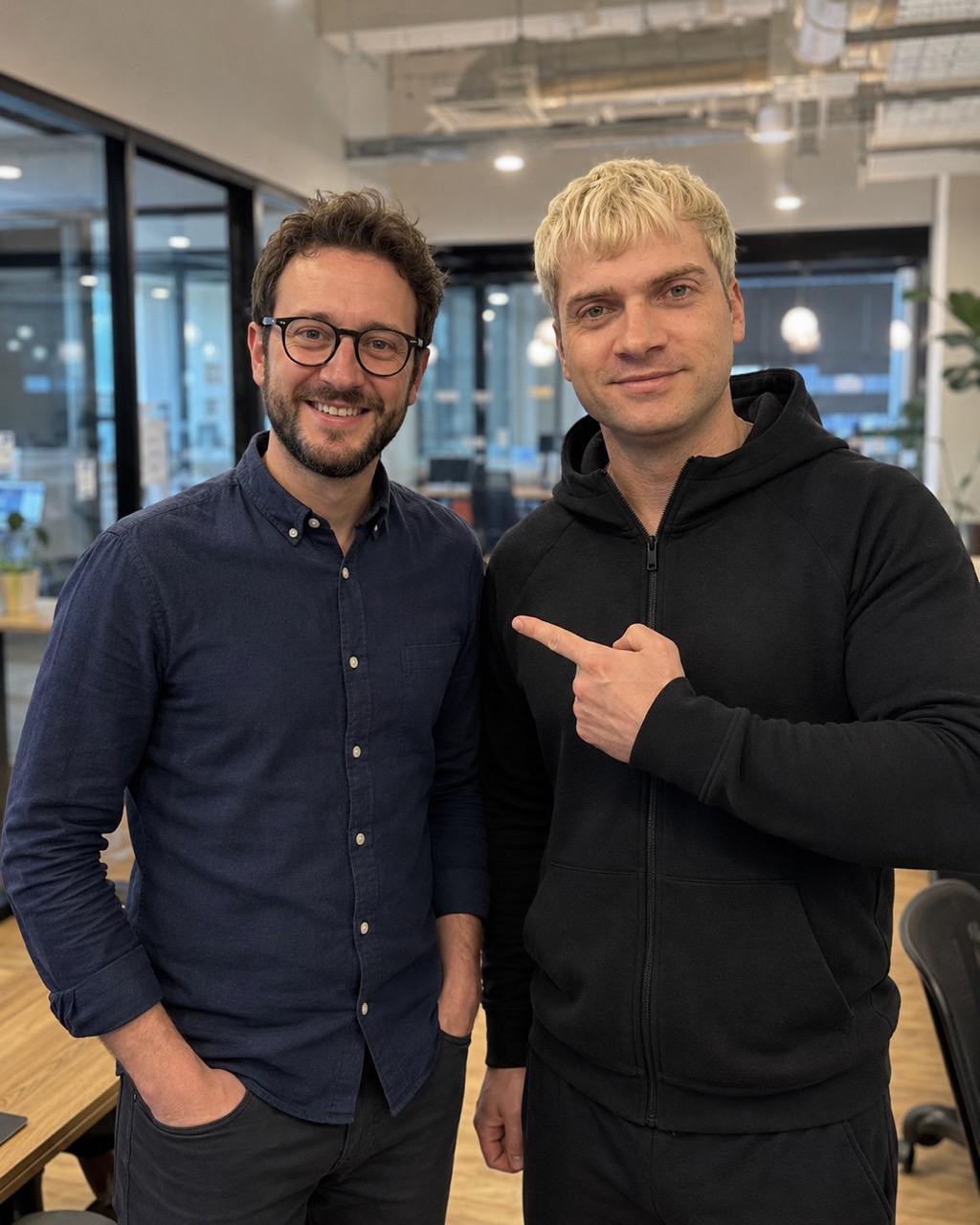
Lucas Weaver, Founder of Fluency Unleashed
About Your Coach
I help serious professionals sound like themselves in English.
Fluency Unleashed founded
professionals coached
Five-star reviews across Google, Trustpilot, and client feedback
I founded Fluency Unleashed in 2017, and I have been coaching professionals ever since. The work has always been practical: helping capable people use the English they already have with more clarity, control, and confidence.
Before this, I taught English in Spain, built an English school in the Netherlands, and later worked as Head of Product at a FinTech company. That background helps me understand the pressure of real meetings, client conversations, interviews, and presentations.
I am American and speak Spanish and Portuguese. That experience taught me to hear how a native language shapes pronunciation, rhythm, grammar, and phrasing in English. We focus on the specific patterns affecting your work, wherever you are from.
For software professionals, success looks like teammates, interviewers, and stakeholders hearing your technical thinking clearly enough to trust it, not generic fluency.
American English coach. Fluent in Spanish and Portuguese. Focused on the places where professional English has to hold up.
FAQ
Questions software professionals usually ask before starting
Is this for beginner English learners? + -
No. This is for software professionals who already use English but want to communicate with more clarity and confidence in technical and leadership settings.
How is this different from normal Business English classes? + -
Most Business English classes are general. This coaching focuses on the situations software professionals actually face: standups, code and design reviews, technical interviews, architecture discussions, and explaining technical work to non-technical stakeholders.
Can this help me prepare for technical interviews? + -
Yes. We practice explaining your work out loud, answering follow-up questions under pressure, and sounding clear and senior, so the interview tests your engineering rather than your English.
Does this work for engineers, architects, and CTOs? + -
Yes. The coaching adapts to your role. An engineer may focus on standups and interviews, an architect on systems explanation and reviews, a CTO on strategy and executive communication.
Do you work with Spanish and Portuguese speakers? + -
Yes. Lucas speaks Spanish and Portuguese and has deep experience helping professionals from Latin America and Brazil correct the specific interference patterns that affect their English.
What happens after I request information? + -
I'll read what you send and reply personally. I'll let you know whether coaching looks like a fit and suggest the best next step for your technical English.
Get Started
Tell me what you need.
Share your role, goals, WhatsApp, and the situations where you need stronger English. I'll review the details and reply with the most useful next step.
Arranging coaching for your engineering team?
I also work one-to-one with employees through company-arranged coaching.
Explore English coaching for your engineering team