
American English pronunciation for Spanish speakers
Spanish speakers: say it clearly. Keep the conversation going.
Spanish gives your mouth five vowels and a few word endings. American English needs more. Learn the exact sounds Spanish speakers mix up, like ship and sheep, B and V, and “espeak”, and use them with confidence when you talk.
The American English Pronunciation for Spanish Speakers program by Fluency Unleashed.

From Lucas Weaver
US$29 (about €26) once · Lifetime program access
LEAVE
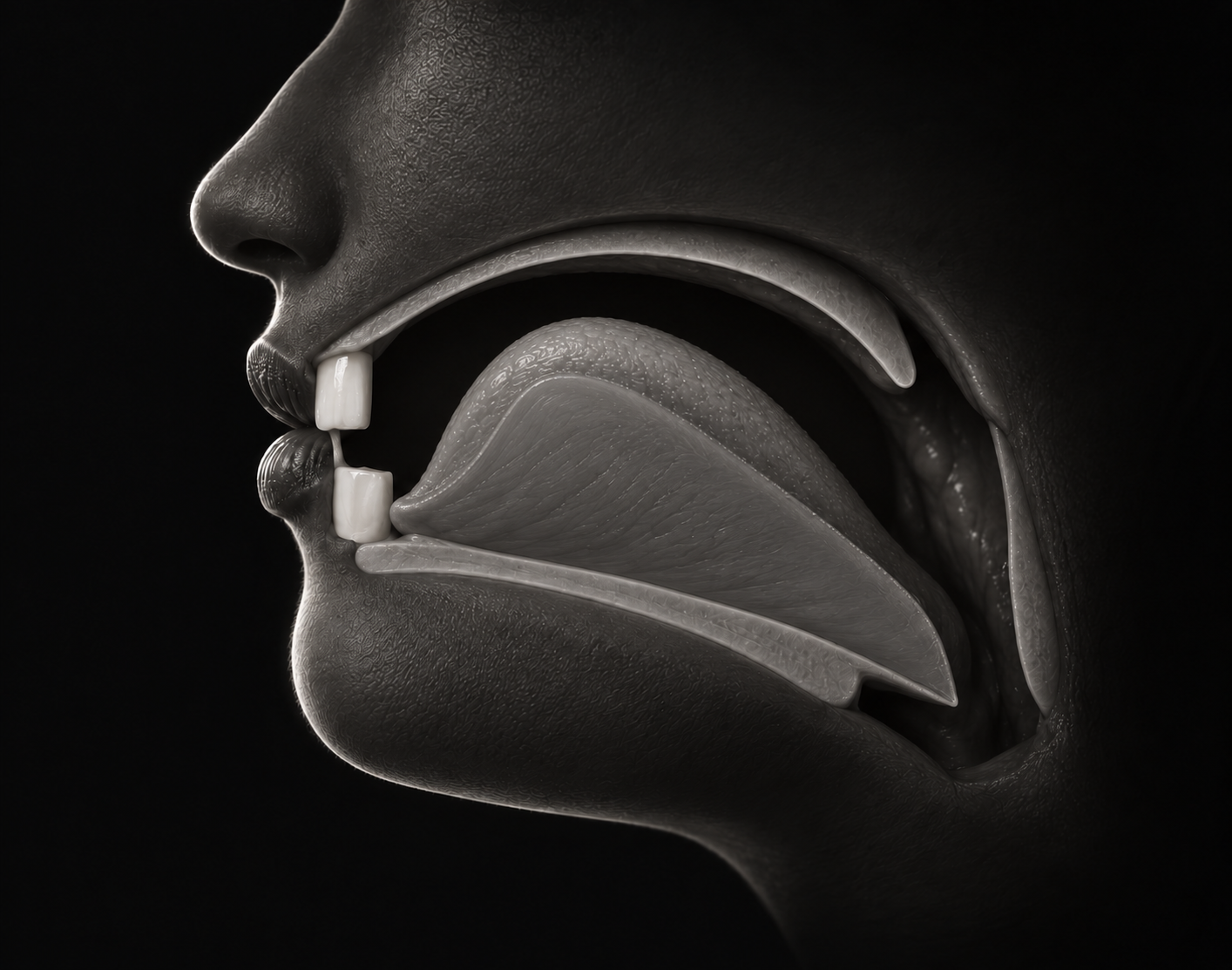 /i/
LIVE
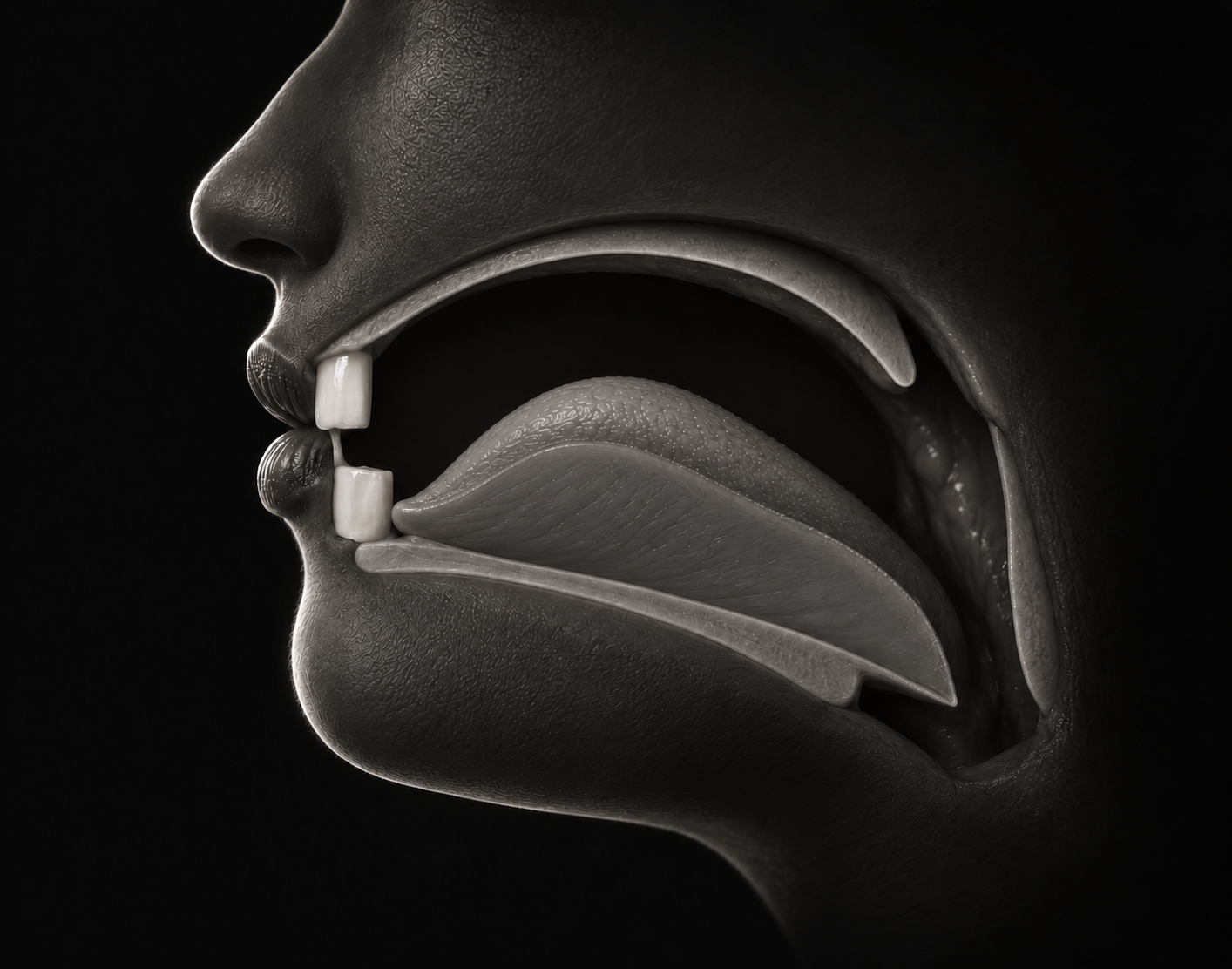 /ɪ/
Change the sound.
A familiar thought
“They’re good at languages. I’m not.”
You hear someone speak English with ease. The words seem to flow. You find yourself thinking, “They must have a gift for languages.”
You try a word they just said. You know what it means. You listen again and repeat it, but yours still sounds different. They make it look easy. You’re working hard just to say one word.
After a while, “this word is hard” starts to feel like “I’m just bad at languages.”
Your mouth already knows how to make the sounds of your first language. It’s had years of practice. When you speak English, it often goes back to those familiar shapes and movements.
Think of them as your default settings. They also affect what you hear: two English sounds can seem like one sound you already know. So your mouth uses the same shape for both.
Take leave and live. If both come out the same, “say it again” doesn’t tell you where to put your tongue or what to listen for.
That doesn’t mean you’re bad at languages. It means there’s a sound you haven’t learned yet. Hear it, learn how to make it, and practice using it in the words you want to say.
Your Spanish interference profile
The sounds Spanish hides from you.
Spanish speakers don’t make random mistakes in English. They make the same ones, because Spanish trained the same default settings. That’s good news: a predictable habit is one you can fix.
The program starts with a lesson for each of these habits. You’ll learn why Spanish causes it, hear the English words side by side, check your ear, and practice the movement until it feels natural.
- 01
Ship or sheep
Spanish has one “i”. English has two, so live sounds like leave and sit sounds like seat.
- 02
Cap, cup, cop
One Spanish “a” for three English vowels. Cap, cup and cop come out as the same word.
- 03
Full or fool
One Spanish “u” for two English vowels. Pull sounds like pool.
- 04
Every syllable at full strength
Spanish gives each syllable a clear vowel. English squeezes the light ones, and the rhythm is how people recognize the word.
- 05
B and V
The same sound in Spanish. In English, bet and vet are different words.
- 06
“Espeak” and “estudy”
Spanish adds an “e” before S plus a consonant. Speak, steps and school gain an extra syllable.
- 07
Missing endings
Cost becomes “cos” and asked becomes “ask”. The ending often carries the meaning.
- 08
TH
Think becomes “tink” or “sink”, and they becomes “day”.
- 09
J and Y
Yes comes out as “jes” and you as “jou”. Yet and jet blur together.
- 10
Z, SH and H
Raise sounds like race, shoes like choose, and H is either dropped or scraped like the Spanish J.
- 11
Final M and N
Tim sounds like tin, and sin like sing.
- 12
R and the moving vowels
A tapped Spanish R, and still “e” and “o” where date and go glide.
How to change the sound
Change the movement.
Change the sound.
This is physics you can feel. Your tongue, lips, and jaw shape the air moving through your mouth. Change the shape or the way the air moves, and you change the sound.
To change those familiar default settings, you need to know what you’re hearing and what your mouth needs to do.
-
Hear and recognize the sound
Listen to two sounds side by side. Learn to tell them apart, so you know which one you’re trying to make.
-
See how it’s made
Compare the mouth shapes. See where to put your tongue, how to use your lips, or how to let the air through.
-
Make the movement yourself
Copy that movement with your own mouth. Listen again, make a small change, and try it in a word. Then put the word into a sentence.
That’s how you start changing those default settings: hear the difference, learn the movement, then practice it until it feels familiar. You’re giving your mouth a new habit to use when you speak.
Here’s what that looks like with leave and live.
Try it yourself
Hear it. See it. Say it.
Leave and live have different vowel sounds. Change that sound, and you change the word. It’s the vowel pair Spanish speakers mix up most. Try it here.
Hear the difference
Play leave, then live. Go back and forth. Listen to how the vowel sounds, not just how long it lasts.
See what changes
Choose a word to see where your tongue goes.
For leave, keep your tongue tip low. Raise the front of your tongue and let your lips spread a little. Don’t force a smile.
Pictures from the program. They show the mouth shape, not movement.
Say it in a sentence
Say leave. Now change the vowel and say live, as in “I live here.” Keep your mouth relaxed. Just making leave shorter won’t make it sound like live.
“I’d love to leave.”
“I’d love to live here.”
Say each sentence after the recording. Then say it on your own. Keep the vowel clear as you say the whole sentence.
Check your ear
Play the example, then choose the word you hear.
Play the example before choosing.
The difference between leave and live is something you can learn to hear and make. Each sound you master gives you more words you can say with confidence. So when that word comes up in a conversation, you’re ready to say it and keep going.
Life after the lesson
Say the word.
Stay in the conversation.
You’re telling someone where you live. You say “I live here” and keep going. Your mind is on the person in front of you, not on whether that one word came out right.
That’s the difference you’re practicing for. A clear word when you order food. A name you feel ready to say. A sentence you can finish without getting caught on the same sound.
Master a sound, then make it part of the words you use every day. There’s more room to think about what you want to say when you’re less worried about how to say it.
The American English Pronunciation for Spanish Speakers program
Make clear speech part of your everyday English.
Pronunciation Physics puts this method into a clear lesson for each sound. Learn it, use it in words, then say it in a whole sentence.
Start with the basics or choose a sound that keeps tripping you up. Your place and progress are saved, so you can pick up where you left off.

Say the sound without guessing
See where to put your tongue, lips, and teeth. Clear pictures and short steps show you how to make the sound.
Hear what makes the words different
Listen to word pairs like leave and live. Practice hearing the change, then making it yourself.
Feel ready to use it on your own
Record yourself and listen back beside the example. Practice the words and sentences until you’re ready to say them without it.
From your first sound to whole sentences
Start with the basics: how your mouth, breath, and voice work together.
17 Spanish-speaker lessons: your interference profile, from ship and sheep to “espeak”, with listening checks and a four-week plan that tackles the biggest habits first.
41 sound lessons: 17 vowel sounds and 24 consonant sounds. Each comes with example words, so you don’t need to know the sound symbols.
Put words together: learn which parts to stress, where to pause, and how to join words so your speech flows.
The examples use American English. The goal is clear speech, with room for your own accent.
Your teacher · Lucas Weaver
Know how to say it, instead of hoping it sounds right.
I’ve spent more than ten years teaching business English and pronunciation. I built Pronunciation Physics to give you something more useful than “listen and repeat”: a clear explanation of how to make the sound you’re hearing.
With leave and live, I show you where your tongue goes and what changes in your lips. Then we take that same sound into a sentence.
I want you to hear yourself say a word that used to be hard, then feel ready to use it the next time it comes up.
Most of the professionals I coach are Latin American Spanish speakers. The Spanish-speaker lessons focus on the mix-ups I hear from them most.
Research
You can learn new sounds as an adult.
Research helps explain why sounds from your first language can shape your English. Studies also show that adults can learn new sounds through listening, clear teaching, and practice.
Read the research behind the program
Your first language shapes what you hear and say
Researchers studied English vowels in learners from four language groups. Their first language and experience with English affected how they heard and said the sounds. Flege, Bohn & Jang, 1997
Knowing what your mouth needs to do can help
Japanese learners practiced the English R sound. The group that also got clear tongue-position instructions made bigger gains and used the sound in new words. Saito, 2013
Listening and feedback help give practice a direction
One study found that learning to hear the difference between R and L also helped learners say those sounds in words. Another found that teacher feedback helped learners improve the R sound they practiced. Bradlow and colleagues, 1997 · Saito & Lyster, 2012
Practice needs to reach real speech
A study found that better pronunciation in practiced sentences did not always carry over to free speech. That’s why the program includes whole sentences, stress, rhythm, and joining words together. Derwing, Munro & Wiebe, 1998
These studies support the teaching methods. They did not test this program. Progress varies with your starting point and practice.
Your next conversation
Speak up with clearer words and more confidence.
American English Pronunciation for Spanish Speakers
A program by Fluency
Unleashed
US$29
About €26
One payment. No subscription.
Say the word you’ve been avoiding. Join in without getting held up by the sound. Build the clear English you want to use in everyday life.
- Your Spanish-speaker interference profile: 17 lessons on the exact habits Spanish brings to your English, with listening checks for each one.
- Say difficult sounds with a clear example to follow and pictures that show you how.
- Tell similar words apart, so the word you say carries the meaning you intend.
- Use new sounds in whole sentences, with practice that connects the words.
- Hear how you sound, spot what needs work, and keep building confidence as you practice.
- Lifetime program access to all 41 sound lessons, recordings, exercises, and saved progress.
Hear what’s working. Know what to practice next.
Get detailed AI feedback on two recordings per sound, included for 12 months from purchase.
After each recording you submit, get a breakdown of the words and sounds you said, with pronunciation scores, parts to work on, and clear steps for what to practice next.
Learn the sound and practice first. Submit your first recording, use the feedback, then send your second when you’re ready. Keep both results so you can compare them.
The AI checks are available for 12 months. Your program access lasts for life. After you use the checks or the bonus ends, keep listening, recording yourself, and practicing as often as you like.
14-day purchase refund.
Pronunciation Physics: Fast Forward
Same retrain. A human doing it with you. Ten times faster.
The program retrains your mouth one position a day, with AI checks telling you when it landed. In 1:1 I do it with you: I hear the exact moment the tongue or jaw slips back to the old position, and we fix it right there, in the sentences you say at work.
Four weeks, eight sessions, your flagged sounds first. You leave each session with a recording of the before and the after.
- Eight 50-minute sessions over four weeks, two a week, on the same retrain plan: your flagged sounds first.
- I hear the position go wrong in the moment and fix it with you, in sentences from your own meetings, calls and presentations.
- Delivery too: stress, rhythm and intonation, so the clear sounds land in real conversations, not only in reps.
- Before-and-after recordings of the same sentence, so you hear the change.
- Two ways in. First Session: one session, US$50 (about €45), your worst sound fixed and your plan set. The Four Weeks: eight sessions, US$400 (about €360). No long contract.
First Session US$50. The Four Weeks US$400. After paying you book your times. Not sure yet? Book a free 20-minute consultation.
FAQ
Before you start
Why is there a Spanish-speaker edition?
Every first language leaves its own habits in English. Spanish speakers mix up the same sounds again and again: ship and sheep, B and V, “espeak”, missing endings. This edition starts with those habits, explains why Spanish causes each one, and gives you listening checks and practice for it. Then you have every Pronunciation Physics sound lesson for the details.
Are the lessons in Spanish?
The lessons are in clear, simple English. They compare each English sound with the Spanish sound you already know, so you can feel the difference in your own mouth.
Is this for me if I already speak English?
Yes. You can know plenty of English and still get stuck on certain sounds. This program helps you hear and make those sounds, then use them in words and sentences.
Do I need to know the sound symbols?
No. Every sound comes with familiar example words. Follow the recordings, pictures, and written steps.
Do I have to lose my accent?
No. You’re learning to make difficult sounds clearly, so you feel more sure of the words you say. You don’t have to erase your accent.
What do I get from the AI feedback?
After each recording you submit, you get pronunciation scores and a breakdown of the words and sounds in it. See which parts need work, get clear practice steps, and compare your two recordings. Two submissions per sound are included for the first 12 months. Use the feedback to choose what to practice before your next recording.
How long can I use the program?
You get lifetime program access. Listen to the examples, repeat the exercises, and record yourself as often as you like. The included AI checks are available for 12 months from purchase.
How much time do I need?
Start with one sound and a short practice session. Work at your own pace. Making a sound once and using it easily in conversation take practice, and you can return to any lesson whenever you want.
Is this personal coaching?
No. This is a program you work through on your own, with two AI checks per sound. If you want me to listen to you and coach you directly, I also offer one-to-one private coaching. See the private coaching section above.
What if I decide it isn’t for me?
There is a 14-day purchase refund. Request it within 14 days of buying.
Say what you mean. Enjoy being part of the conversation.
Say the word you used to skip. Finish your sentence without getting caught on that sound. Put your attention on the person you’re talking to, with more confidence in the words coming out.
US$29 (about €26) once · Lifetime program access